The question I get most about AI features is how I know the answers are good. A demo can’t tell me. It shows the answers I hoped for. So this month I wrote down the steps I now follow in Morning, dubara and Vibe, and how they line up with what we measure at Zūm.
I start with what a wrong answer costs. In Morning, a missed to-do is a missed permission slip. In dubara, a wrong answer costs a booking or a refund. In Vibe, a wrong number is a wrong call about the night. That cost decides what I test first and how strict the test is.
Then I write the answer key myself, before I look at any model. For Morning, that was 42 real school emails, read by hand: 16 asks a parent has to act on, and 22 emails that ask nothing. The ones that ask nothing matter as much. A to-do nobody asked for is noise in a parent’s morning.
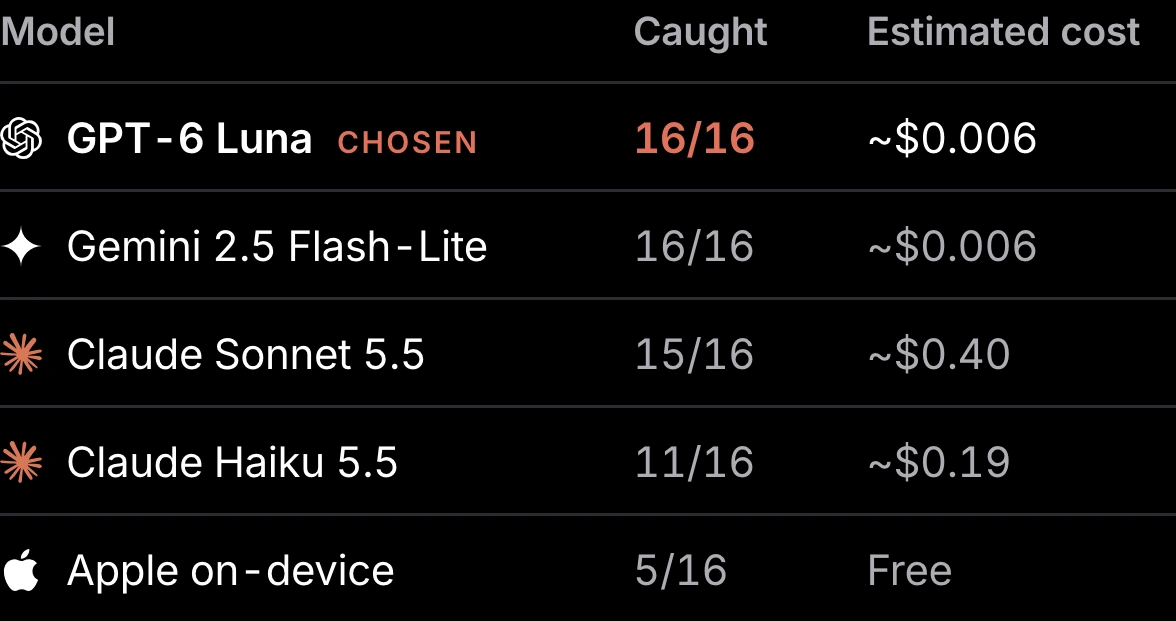
Next, every model reads the same set with the same prompt. Five models read Morning’s 42 emails. GPT-6 Luna caught all 16 and cost the least, so it runs the app. Apple’s on-device model caught 5. Cost sits in the same table as the score, because the model runs on every email a school sends.
Rules get a test of their own. Yelo answers dubara’s customers from rules I wrote: plans start at 50 guests, there’s no phone number, a full refund needs two weeks’ notice. Thirty questions written from those rules, three runs each, 90 answers per model. The model in the app today broke a rule in 5 of them. One looks like this. The rule: never quote a price. The answer: $500 to $1,500 for 100 guests.
A script checks every answer first, then I read the failures by hand. The script tells me a number is wrong. Reading tells me what kind of wrong. In Vibe, every model said so when the data didn’t have an answer; the slips were in sums and weekdays, like the best night, a Saturday, turning into a Friday.
Once a set exists, it becomes a gate. In Morning I keep 41 real parent questions for Ask and what each answer must say. Before any change to Ask ships, a script asks all 41 and checks the answers.
A test set can’t tell me how people use it, so after launch the signals come from them. In Zoe’s beta at Zūm, 67% of questions were answered directly, and 80% of more than 10,000 rated answers got a thumbs up. The other 33% were designed for: Zoe offers the closest match and a next question to ask.
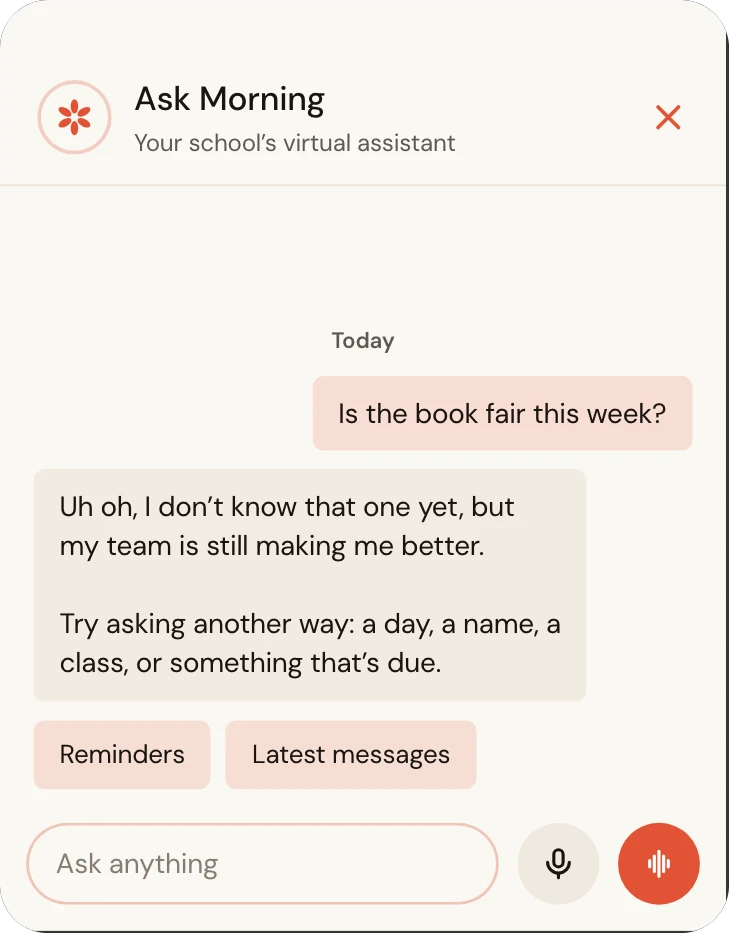
That’s also where testing turns back into design. In Morning, Ask says when it doesn’t know and offers another way to ask, and when the Catchup note isn’t sure enough, it doesn’t show that day.
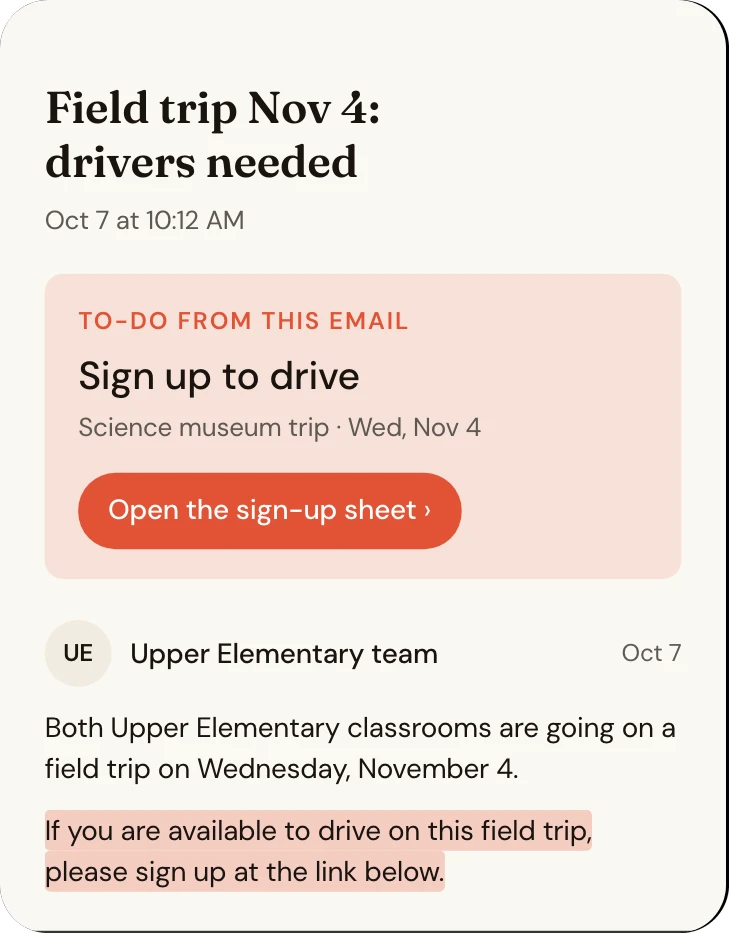
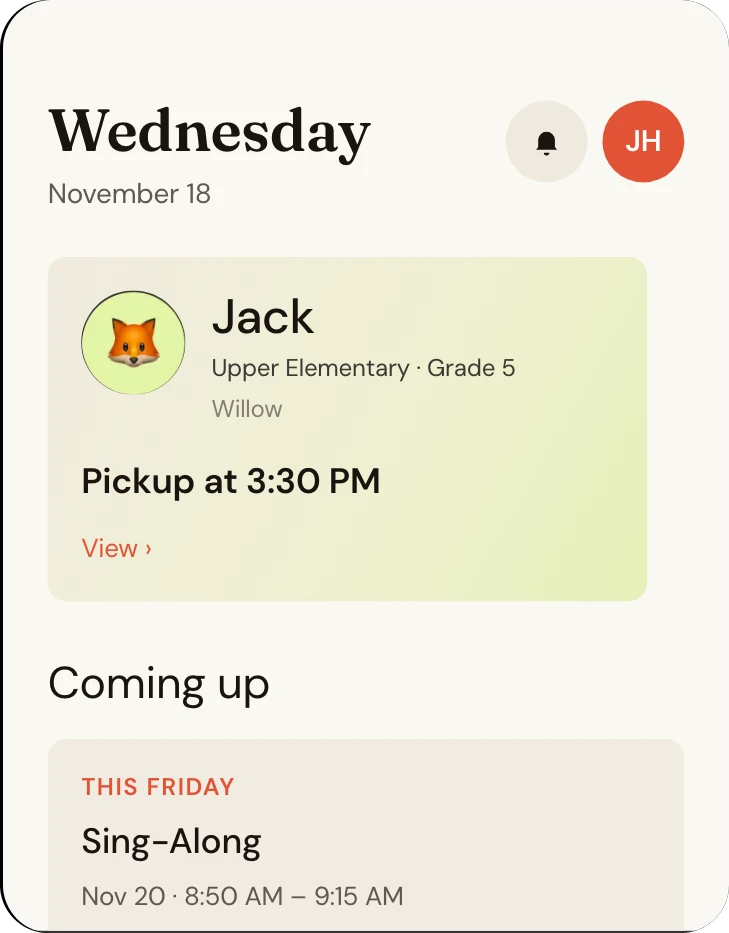
None of this is tied to one app. An answer key from real cases, the same set for every model, rules tested on their own, a gate before shipping and signals after launch have worked for a school app, a rental shop and a bar. Each lives in a file and a script, so anyone on a team can rerun it.
Next, I want to rescore Morning’s to-dos. Since October, sibling asks are left out and a repeated ask shows once, and I want to see whether the four to-dos nobody asked for are gone.